How to Build Sustainable, Lifelong Habits for Your Health & Wellness
Building healthy habits isn’t about willpower, perfection, or waiting for the “right time.” It’s about creating systems you can return to especially when life is busy, messy, or hard. True health and wellness is not built in bursts of motivation - like crash dieting for 3 months, but through small actions repeated consistently over time. Below are foundational principles that help build habits that are sustainable and will last a lifetime.
1. Action Precedes Motivation
One of the biggest myths in health and wellness is that motivation must come first. In reality, motivation is often the result of action, not the cause of it. Everyone’s motivation fluctuates daily and waiting until you feel inspired to move your body, eat well, or rest properly can keep you stuck. Instead, taking action, even if it’s just telling yourself you’ll start the thing you didn’t want to do for few minutes will give you the feeling of progress and evidence you are working towards your goal. That momentum builds confidence, and confidence fuels motivation. So instead of telling yourself you don’t feel like, promise yourself you’ll do that thing for at least 3-5 minutes and feel the magic happen!
2. Know Your “Why”
Habits that last are rooted in meaning. Surface-level reasons will lead to habits you can’t stick to or will be temporary. For example, “I want to look better at my wedding.” But what happens after your wedding? A deeper why acts as an anchor.
Your “why” might be:
Having energy to show up fully for your family
Improving your mental health
Aging with strength, independence, and confidence
Longevity so you are around to play with your grandkids
When motivation fades—and it will—your why reminds you why starting again matters.
3. Goals vs. Systems
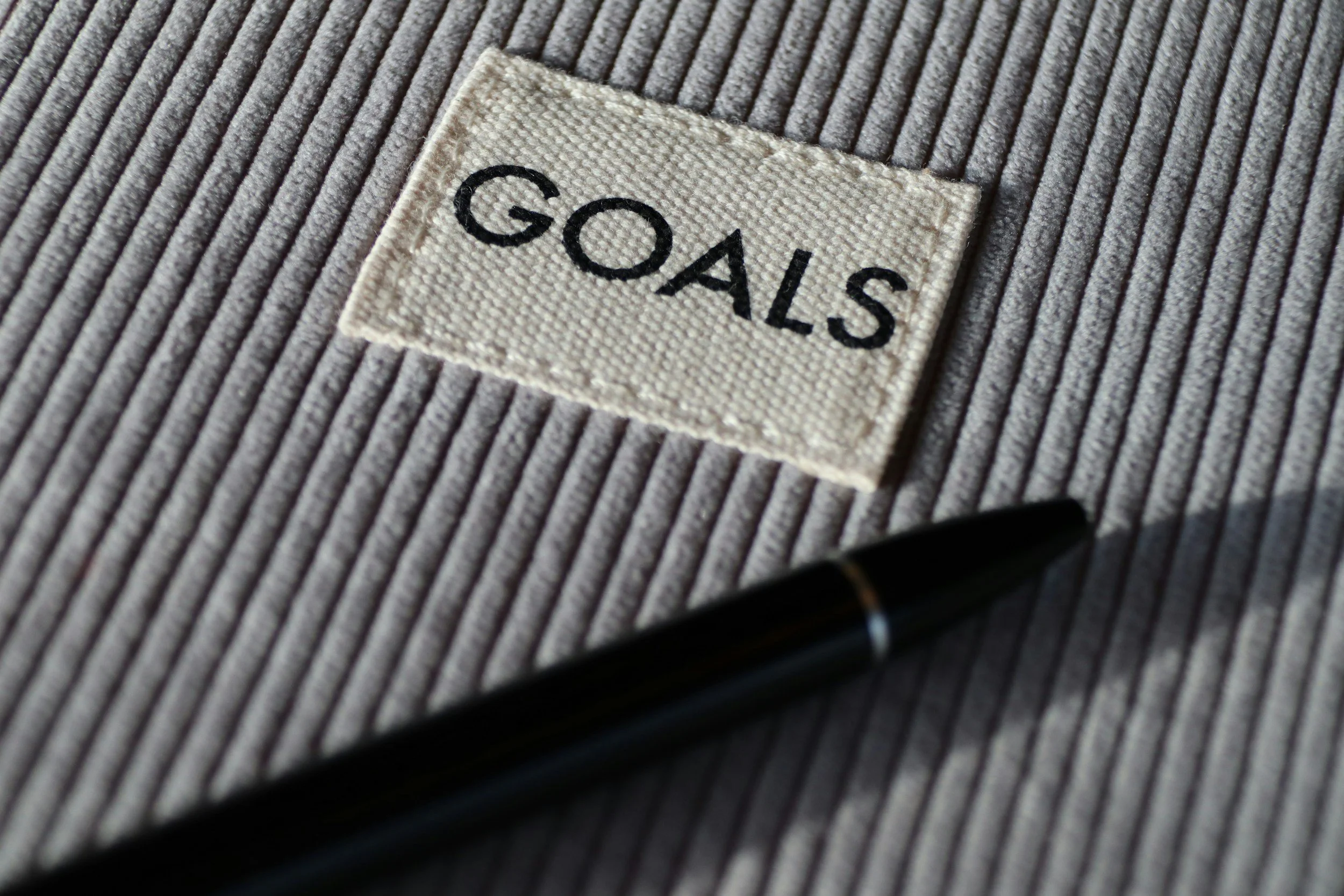
Goals are outcomes. Systems are what get you there.
Goals can be motivating and great to set, but they’re temporary. Once achieved, they disappear. Systems, on the other hand, are the daily processes you return to regardless of the outcome that will help you sustain a healthy lifestyle.
For example:
A goal is losing 20 pounds
A system is walking daily, meal planning, hiring a personal trainer, and prioritizing sleep
Focus less on the finish line and more on building systems you can sustain for years. Wellness isn’t something you “complete”—it’s something you practice.
4. Ask Yourself: Who Is the Person I Want to Become?
Lasting habits come from identity, not pressure. Instead of asking, “What should I do?” ask: “Who is the person I want to become?”
Then let your habits reinforce that identity:
A person who values movement finds ways to move, even briefly
A person who respects their body nourishes it consistently
A person who prioritizes health doesn’t quit when things get hard
Each small habit is a vote for the person you are becoming.
5. What Can You Stick to on Your Worst Days?
The true test of a habit is not how well you do it on your best days—but whether you can keep it on your worst ones.
Design habits that are flexible and forgiving:
A 5-minute walk instead of a full workout
A simple, nourishing meal instead of a perfect one
Stretching or deep breathing instead of skipping entirely
Consistency doesn’t mean intensity. It means showing up, even when showing up looks smaller than usual.
6. Always Stick to Your Schedule—Even If You Scale Back
Life will get busy. It’s the norm.
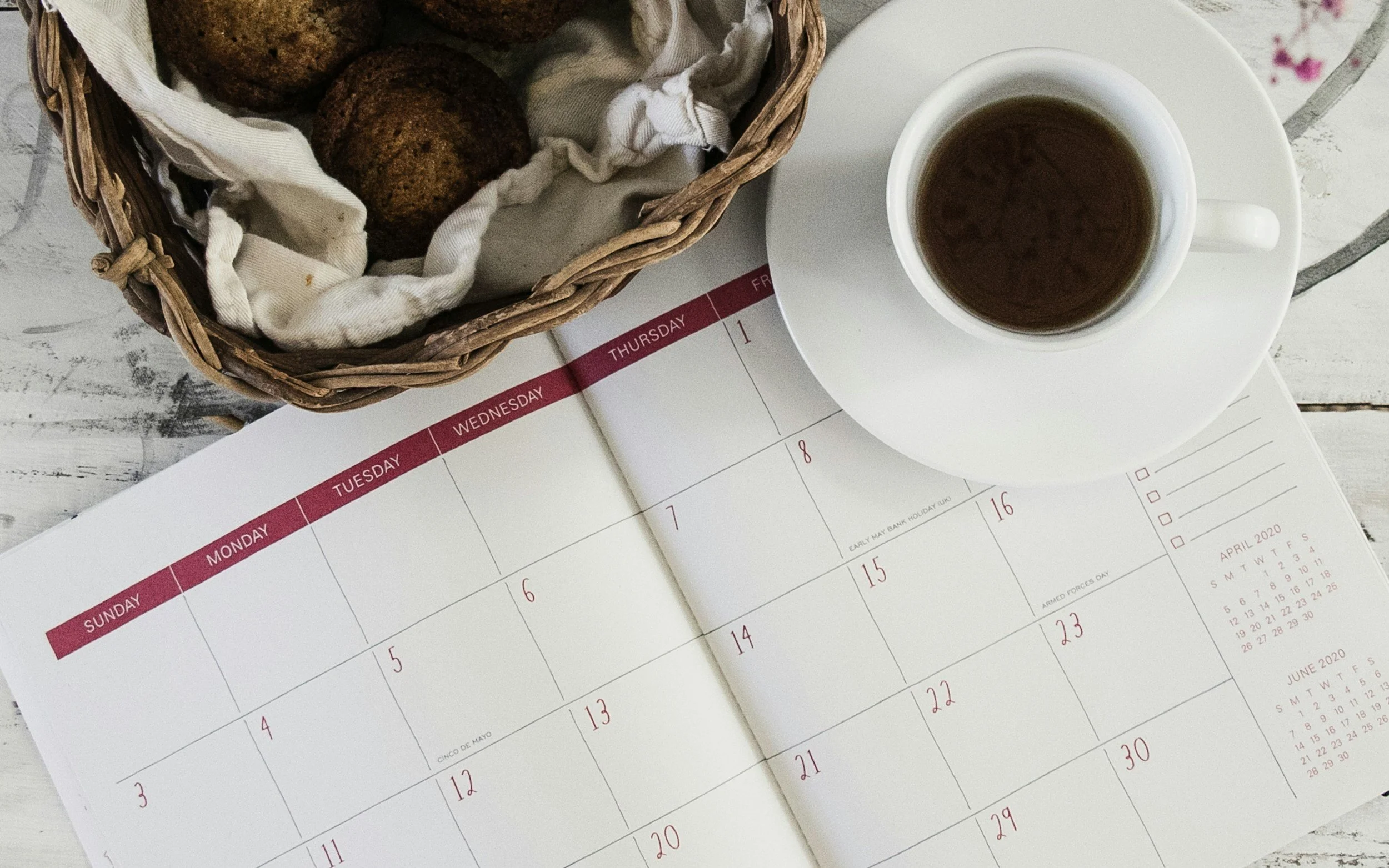
Instead of skipping your habits on busy days, scale them. Protect the routine, even if you adjust the effort and/or time. This reinforces showing up for yourself and keeps the habit alive. If we skip too often, habits will often be lost.
A shortened workout still counts.
A simplified meal still nourishes you.
A scaled-back version is infinitely better than nothing.
When you keep promises to yourself—even tiny ones—you build self-respect and resilience.
Sustainable health and wellness habits and lifestyle changes are not built through extremes. They’re built through compassion, consistency, and commitment to the long game. Start small. Start imperfectly. Start today. Because lifelong habits aren’t about doing more—they’re about doing what matters, again and again, in a way you can truly live with. If you need support building sustainable habits, let’s connect!